Today, true innovation on board isn’t measured solely in meters, power, or luxury. It’s measured in the quality of the water you drink, the air you breathe, and the respect your yacht shows for the sea. Marine water and air quality is the trend redefining the future of luxury yachting. And with the evolution of marine technical consulting , water and air management for yachts is no longer a marginal technical issue, but a strategic pillar for those who want to sail safely, sustainably, and at the cutting edge.
We’re witnessing a quiet revolution: vessels that not only comply with regulations, but anticipate them. Intelligent systems that transform resource management into a competitive advantage. And shipowners who choose sustainability not out of obligation, but out of vision.
Welcome to the new era of conscious boating.
A morning on board: when the water tells it all
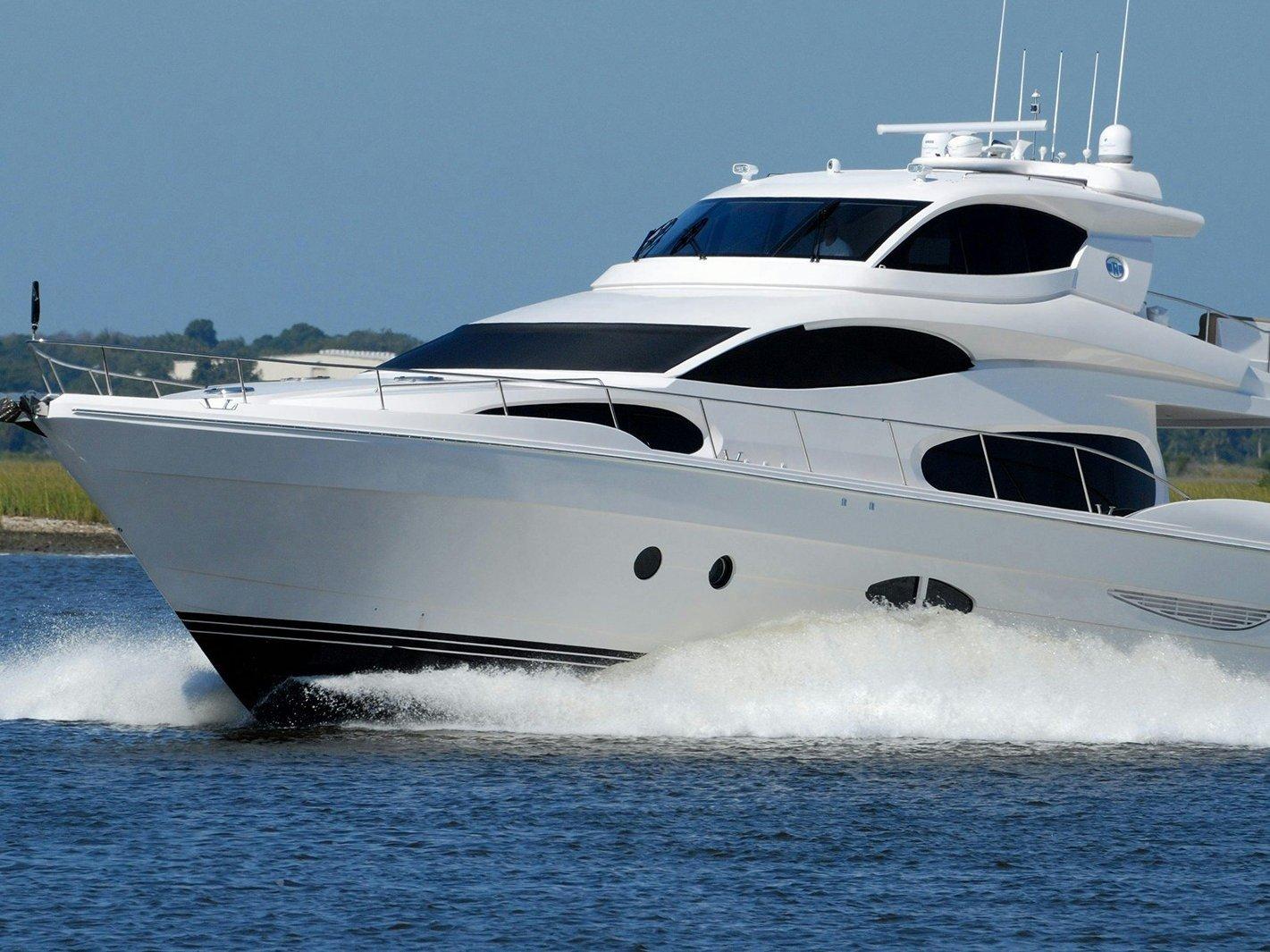
Imagine a sunrise on the Costa Smeralda. The sun rises over the deck of a 50-meter vessel. The crew is already hard at work. In the galley, the chef fills the coffee jug. In the bathroom, a guest turns on the shower. Everything seems normal.
Then, an alarm goes off. A faint but unpleasant odor. The captain checks the control panel: critical level in the treatment tank. The black water discharge system is experiencing problems. A malfunction.
Within hours, the situation escalated. A port inspection was carried out. A fine was issued. Unloading was prohibited. The vessel was no longer allowed to dock in certain marinas. The charter clients demanded explanations.
All because of a poorly managed system.
This scene isn’t an isolated case. It’s a true snapshot of what happens when water and air management for yachts is underestimated. But it’s also a warning: today, with the technologies and marine technical consulting services available, errors like this are avoidable. And prevention isn’t just possible: it’s mandatory for anyone who wants to stay competitive.
Three waters, three responsibilities: what’s really behind the taps?
On board, there’s no such thing as “just water.” Every drop has a role, a story, a risk.
Freshwater Legionella is what you drink, wash with, and cook with. It seems harmless, but it’s a fragile ecosystem. If it stagnates, it becomes infected. If left untreated, it can harbor bacteria like pneumophila —a silent health hazard. And simply filling the tank isn’t enough: it requires circulation, filtration, and UV sterilization.
Graywater , from showers and sinks, carries with it surfactants, oils, and microplastics. It’s not as toxic as it seems, but if discharged without treatment, it disrupts marine ecosystems. It promotes algal blooms, pollutes coastlines, and damages the ocean floor.
Black water , from toilets, is the most critical. It’s a high-impact wastewater. If not treated with MARPOL-certified facilities, it becomes an environmental weapon. And the fines? Heavy. Up to tens of thousands of euros. And the reputation? Even more fragile.
Managing these three waters isn’t a technical detail. It’s a total responsibility.
Regulations: they are not an obstacle, they are an advantage
Much is said about regulations. Too much bureaucracy, too many rules. But the truth is different: rules today are an advantage for those who respect them.
The reference is the MARPOL Convention – Annex IV , the international code that regulates wastewater discharge. Those with an approved system, up-to-date records, and a trained crew not only avoid fines: they sail with authority.
The International Maritime Organization (IMO) and classification societies like RINA, Lloyd’s Register, and DNV don’t impose controls to complicate life. They do it to ensure safety, health, and sustainability.
This is why marine technical consulting has become a strategic ally:
- Design compliant systems.
- Assemble the crew.
- Certify systems.
- Prepare for inspections.
Those who invest in compliance don’t pay a price. They build value. And they demonstrate it with actions, not words.
Technology and sustainability: the winning duo of the future
Today, water management on board is no longer a problem: it’s an opportunity.
transform Compact treatment plants black and gray water into clean, nearly transparent effluent. MARPOL-certified, they take up minimal space and consume little energy.
Multi-stage filters and UV sterilization ensure impeccable drinking water, even after weeks without refilling. No strange tastes. No risks. Just safety.
monitor Smart sensors tank levels, consumption, and water quality in real time. Everything is visible on a digital dashboard. No surprises. No human error.
What about biodegradable detergents ? They reduce the use of harsh chemicals, improving the environmental impact without sacrificing hygiene.
This technology isn’t just sustainable: it’s profitable. It reduces maintenance costs, increases equipment longevity, and improves the guest and crew experience.
And above all: make your yacht a role model.
Your yacht can make a difference: act today
Marine water air quality isn’t a passing fad. It’s the new normal for tomorrow’s boating industry.
Every decision you make today—about treatment plant, crew training, product choice—affects the value, safety, and reputation of your yacht.
Don’t wait for an inspection, a fine, or an accident. Take control. Trust a specialized marine technical consultant . Design, optimize, certify.
Because sailing shouldn’t mean leaving traces. It should mean respect.
What if your yacht is already in working order? Great. But you can do more. You can become a model.
Act today. Improve tomorrow. Navigate with awareness.