Are you wasting material and wasting precious time? The machine tools for advanced nesting processing are the solution to optimize your processes. If you want to reduce waste, increase efficiency, and improve your margins, discover how these technologies can transform your production.
Efficient resource management has become a fundamental skill to remain competitive. If you don’t make the most of your materials, you risk falling behind the competition. Here’s how you can optimize your cutting and manufacturing processes. Read on to find out how machine tools for advanced nesting processing can revolutionize your production, saving you money and time.
What is Nesting and Why is it So Important?
Nesting, simply put, is the art of arranging multiple pieces to cut on a sheet or plate of material in the most efficient way possible. Think about when you have to cut out many different shapes from a single sheet of paper: you try to place them close together to make use of every square centimeter, right? Here, nesting does exactly this, but in a much more sophisticated and automatic way. The machine tools for advanced nesting processing use intelligent algorithms to calculate the optimal arrangement of the pieces.
Why is this so important? Simple: it reduces waste. Every piece of material that goes unused is money lost. In industries such as metal, wood, plastic, or fabric cutting, where materials can be expensive, even a small improvement in efficiency can translate into significant savings. Furthermore, good nesting also reduces machining time. Arranging parts intelligently often means making fewer cuts or shorter tool paths. Imagine having to cut hundreds of components from sheets of metal: well-optimized nesting software can reduce material waste by 10-20% or more, offering a huge competitive advantage.
How Does Advanced Nesting Software Work?
The heart of advanced nesting lies in the software. It’s not just about drawing pieces and placing them close together. Modern software is incredibly powerful. The process begins with importing the files of the pieces to be cut (usually in CAD format such as DXF, DWG, or other vector formats). Then, the user defines the base material (the sheet or the roll) and the cutting settings (tool diameter, distance between pieces, etc.). At this point, the nesting algorithm comes into play.
- Import and Analysis: The software imports the contours of the pieces and analyzes them.
- Algorithmic Generation: Using complex algorithms (such as those based on genetic algorithms, heuristic optimization, or physical simulation), the software tries thousands of possible arrangements to find the one that maximizes material usage.
- Optimization and Choice: The software presents one or more nesting solutions, often with an efficiency index (e.g., percentage of material used). The operator can choose the best one or make small manual changes if necessary.
- Tool Path Generation: Once the optimal layout has been chosen, the software automatically generates the path that the CNC machine will follow to cut the pieces.
This process, which once required hours of manual labor and a lot of experience, is now completed in minutes. The machine tools for advanced nesting processing integrate these software natively or via compatible interfaces, making the process fluid and automated.
Concrete Advantages of Advanced Nesting
The benefits of advanced nesting go beyond simple material savings. One of the most immediate benefits is cost reduction. Less material waste means lower cost per part. If you work with expensive materials, this can make a huge difference in your profit margin. Furthermore, by optimizing the arrangement of the pieces, the total number of cuts required is often reduced, cutting down the machine time spent on each slab.
Another crucial benefit is increased productivity. Nesting software quickly generates an efficient layout, freeing up valuable time that would otherwise be spent on manual planning. This allows you to process more material in the same amount of time. Think about a company that makes wooden furniture. Using advanced nesting, they can optimize panel cutting, reducing waste and increasing the production capacity of their CNC machining center. Additionally, good nesting can also improve cut quality, as the generated tool paths are often optimized to reduce chatter and deliver cleaner cuts.
Nesting for Different Materials: Wood, Metal, Plastic, and Fabrics
The machine tools for advanced nesting processing are incredibly versatile and adapt to a wide range of materials. In the wood sector, nesting is essential to optimize the cutting of MDF, plywood, or chipboard panels, reducing scrap waste that would otherwise end up in landfill. For metal, nesting is used to maximize the use of steel, aluminum, or other metal plates, while minimizing material costs and cutting time of laser, plasma, or waterjet machines.
In plastics, nesting helps cut complex shapes from sheets of polycarbonate, acrylic, or other polymers, reducing waste and ensuring clean edges. And in the textile sector, nesting is essential to optimize the cutting of fabrics (such as leather, cotton, technical fabrics) for clothing, furniture, or industrial applications, maximizing the use of the roll and reducing waste. Each material has its specificities (thickness, fragility, type of cut), and advanced nesting software can take these variables into account to generate optimized and safe layouts.
How to Implement Nesting in Your Production
Integrating advanced nesting into your production may seem complicated, but by following a few clear steps, the process becomes manageable. Here’s how you can get started:
- Evaluate Your Current Software: Check if your current CAD/CAM software has nesting capabilities. Many professional packages include more or less advanced nesting modules. If it doesn’t have any, or if its capabilities are limited, you may need to consider dedicated software.
- Choose the Right Software: There are very powerful standalone nesting software options (such as SigmaNEST, TopSolid’Nesting, or other industry-specific ones). The choice depends on the type of materials you work with, the complexity of the pieces, and your budget. Look for software that supports your CAD file formats and integrates well with your CNC control system.
- Prepare Your Files: Make sure your CAD files are clean, without overlapping lines or defects, and that they correctly define the contours of the pieces.
- Define Parameters: Correctly set the cutting parameters (distance between pieces, margins, tool type) to ensure the safety and quality of the cut.
- Test and Optimize: Start with small test batches to verify that the nesting results are as expected. Monitor material efficiency and processing time, and make any adjustments to parameters.
Implementing a good nesting system requires some initial effort, but the benefits in terms of savings and productivity are enormous.
The Future of Nesting: Artificial Intelligence and Automation
Advanced nesting doesn’t stop there. The future promises even more intelligent and automated solutions. The integration of artificial intelligence (AI) into nesting software is opening new frontiers. AI can learn from previous machining data, adapt algorithms in real-time, and even predict potential cutting problems based on past experience. This means even more efficient layouts and more robust processes.
Automation is another key trend. The direct integration of nesting software with CNC machine tools, automatic material loading/unloading systems, and inventory management systems is creating fully automated workflows. Imagine a system where a production order is received, the nesting software automatically generates the optimal layout, the machine loads the material, performs the cutting and discards the finished parts, all without human intervention. The machine tools for advanced nesting processing of the future will be increasingly connected and intelligent, making production more efficient, economical, and sustainable.
Beyond Simple Cutting: Nesting for Multiple Processes
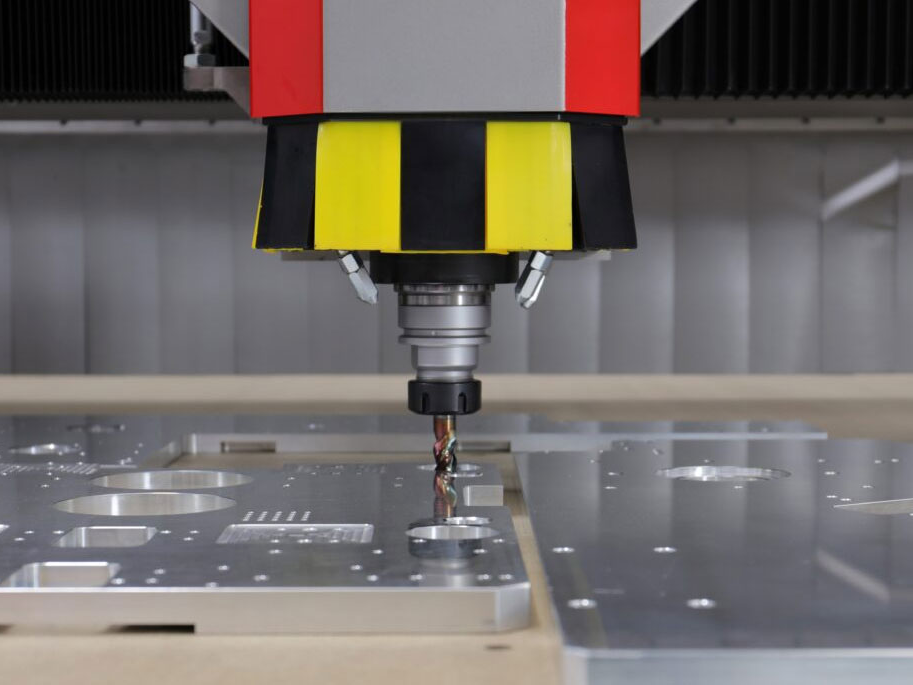
Advanced nesting isn’t just limited to cutting. Modern software can also manage the planning of other processes that must be performed on the same piece or on the same plate. Think drilling, pocket milling, or engraving. Advanced nesting software can integrate these operations into the overall tool path, optimizing the entire process.
This means that the CNC machine will not only have to perform the perimeter cut, but will also be able to perform all the other necessary processes sequentially and efficiently. For example, it might first mill a deep pocket, then drill the holes, and finally cut the contour of the part. This reduces the need to reposition the part and minimizes downtime. Think of an electronics manufacturer: Advanced nesting can plan to cut a panel, mill slots for components, and even engrave identification codes, all in a single manufacturing cycle. machine tools for advanced nesting processing are becoming true multifunction machining centers thanks to these integrated capabilities.
Maximize Your Earnings with Nesting
Advanced nesting is a technology that offers immediate tangible benefits. We explored what it is, how it works, its concrete advantages for different materials, and how to implement it. We’ve seen how intelligent software and integrated machines are pushing the boundaries of manufacturing efficiency.
- Waste Reduction: Optimize the use of material, reducing costs.
- Increased Productivity: Accelerates processing times, processing more material.
- Intelligent Software: Leverages advanced algorithms for automatic and efficient layouts.
These are the fundamentals. Memorize them. Start evaluating your current cutting process today and consider implementing an advanced nesting system. It could be the key to unlocking a new level of efficiency and profitability in your manufacturing.